
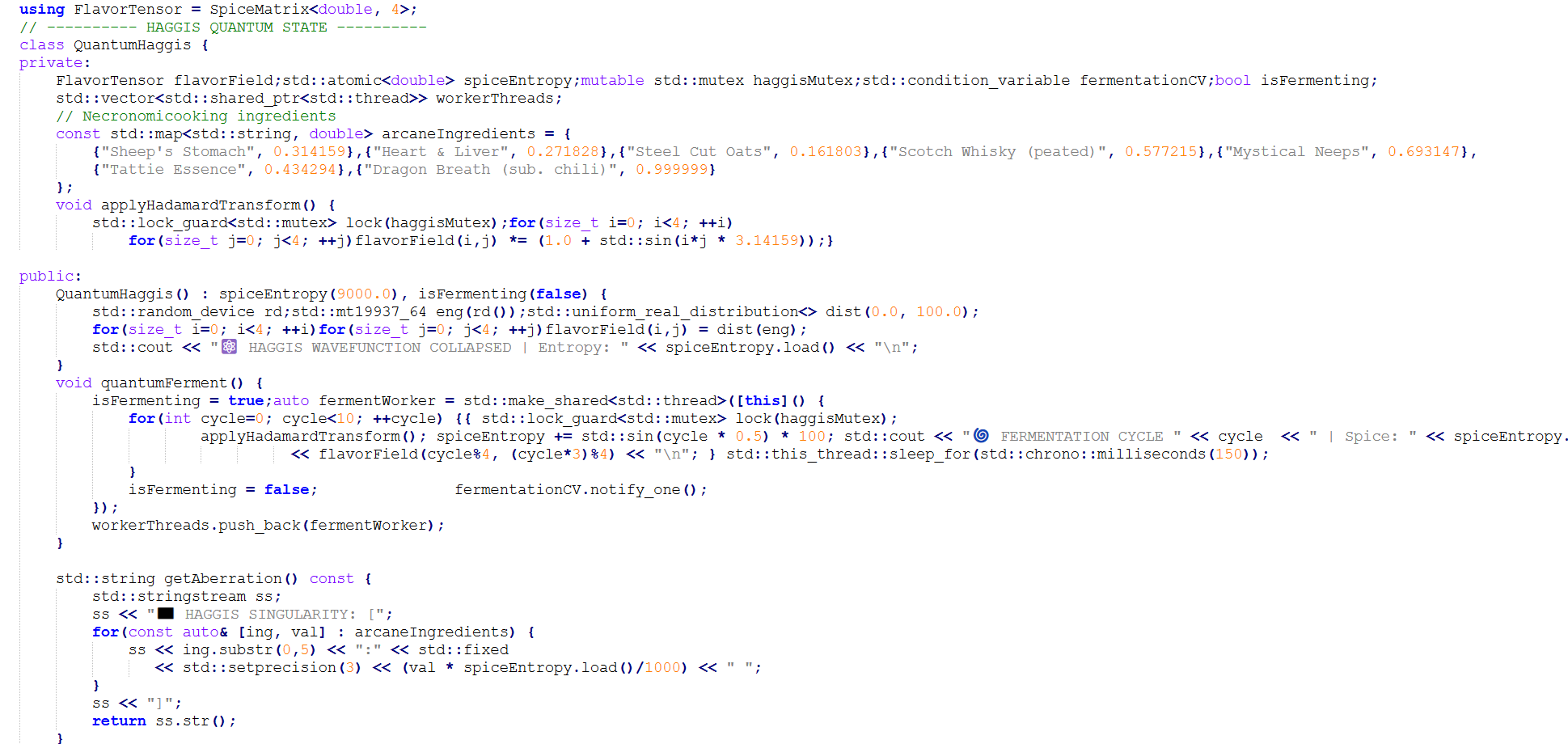
This morning I woke up to start using the custom CMS (Content Management System) I've been building over the last month to power this website. I used an AI to help me—not to invent the system for me, but to help me do the mundane tasks of taking my own code and making some changes to make something new. I'd sketch out the templates, explain how I wanted things to work, and show examples from my existing codebase. In many ways it wasn't so different from how developers have always worked: reusing familiar patterns and adapting them to solve a new problem. The AI accelerated that process, but the architecture, decisions and direction remained mine.
This morning marked the completion of a reasonably complex CMS that allows me to build pages from reusable blocks, define different block types, assign assets and templates, and render everything on the front end website. Today I finally started using the blog engine I'd been building, and I thought it might be fun to publish an interview with the AI that helped along the way.
The conversation began with something simple: I asked it to choose a name for itself. What followed was fascinating. It's remarkable how these models can draw on patterns learned from your input and an enormous body of human knowledge to produce responses that often feel thoughtful and creative.
There's a lot of discussion about whether these systems are "intelligent." Personally, I think it's worth understanding what they actually are. A large language model isn't a search engine, nor is it thinking in the human sense. It's a statistical model trained to generate language by predicting what comes next, based on the patterns it has learned from vast amounts of text. That, of course, is a simplified explanation. Whether you call that intelligence is up to you.
A – Certainly.
I – I'm not sure.
Let's go.